
About the IGLYO Mentorship Programme
Over the last decade, IGLYO has been monitoring the development and implementation of LGBTQI-inclusive education policies and practices across the Council of Europe region and globally. Through this work, we have been able to identify best practices and assess the extent to which Council of Europe Member States are implementing measures to protect LGBTQI children and young people from discrimination and harassment in schools. Despite important progress, many learners still experience hostile environments, invisibility in curricula, discriminatory policies, and resistance from authorities.
IGLYO’s Education Mentorship Programme builds on this evidence and supports Member Organisations and their national partners to design and implement national-level projects that improve LGBTQI inclusion in and through education, while building a strong network of youth activists learning from and supporting each other. This programme runs for a year and focuses on peer-to-peer learning, cross-border exchange, and tailored mentorship. It is designed to give our Members the space, support, and resources to shape an initiative that creates real impact in their national context.
Objectives
Through IGLYO’s Education Mentorship Programme, we aim to support selected Member Organisations individually or as national consortia to design and implement advocacy projects that respond to their national, regional, or local realities. Participating organisations lead on developing and carrying out their own action plan, while requesting the mentoring, tools, and strategic support they need from us.
The overarching objective is to drive real, positive change in education systems and schools through strategic policy, advocacy, and research actions that improve the safety and inclusion of LGBTQI children and young people.
More specifically, the programme seeks to:
- Support youth-led organisations to implement context-specific advocacy, policy, and research initiatives on LGBTQI-inclusive education.
- Equip young activists with skills, confidence, and networks to influence education debates and counter anti-rights narratives.
- Strengthen the capacity of Member Organisations to engage with public authorities.
- Promote sustainable approaches to preventing and responding to bullying, harassment, and violence based on sexual orientation, gender identity, gender expression, and sex characteristics (SOGIESC).
Benefits
Each selected mentee organisation or national consortium of organisations receives:
- Assessment and tailored mentorship: IGLYO provides a comprehensive analysis of the country’s inclusive education landscape, helping the Member Organisation identify its needs and priorities while highlighting areas that need improvement. Good practice examples will be shared to guide this process. You will also receive direct support throughout the year from IGLYO, including guidance on project design, implementation, challenges, and reporting.
- Peer-to-Peer Learning: Mentees connect regularly with other organisations working on inclusive education in different national or local contexts, exchange practices and tools jointly discuss challenges and ways to approach them, and build a cross-border community of practice, strengthening solidarity and visibility for youth-led work on LGBTQI-inclusive education across Europe.
- Optional Capacity Workshops: Based on the needs expressed by the selected mentees, IGLYO will organise thematic training sessions, such as theory of Change, project planning and impact design, communications and visibility, working with public authorities, and financial and administrative management
- Financial Support: Mentees receive up to €4,000 to design and implement the differentproposed action plans.
- Optional country visit: If helpful, IGLYO’s policy and network teams will visit the country to work closely with the Member Organisation.

With the support of
.png)
The IGLYO LGBTQI Inclusive Education Mentorship Programme is funded by the Citizens, Equality, Rights and Values (CERV) 2021-2027 Programme of the European Union. However, the views expressed in the projects can in no way be taken to reflect those of the European Commission.
Meet the 5 Mentees of 2026!
Throughout 2026, IGLYO is supporting a new cohort of Member Organisations working to advance LGBTQI-inclusive education across Europe through its LGBTQI Inclusive Education Mentorship Programme.
From strengthening queer perspectives in higher education to equipping teachers with inclusive resources and generating evidence for advocacy, each organisation is addressing the challenges faced by LGBTQI learners in its own national context.
Over the course of the programme, mentees receive tailored mentorship, financial support, and opportunities for cross-border peer learning while designing and implementing projects that respond to local needs.
.png)
Meet the five organisations driving this year's projects.
ARK — Developing Inclusive Education Tools to Support Everyday Practices
ARK is an LGBTQI organisation based in Oradea, Romania, dedicated to advancing equality through community organising, education, advocacy, and culture. Since its founding in 2023, the organisation has worked to strengthen the local LGBTQI community while creating opportunities for young people to promote visibility, inclusion, and social change.
Through the IGLYO Mentorship Programme, ARK is promoting inclusion both inside and outside the classroom. The project combines public visibility with practical resources by highlighting the role of teachers and educators during Oradea Pride while developing a trilingual online toolkit in Romanian, Hungarian, and English to support inclusive educational practices.
Alongside these activities, ARK is launching an awareness and advocacy campaign encouraging schools, educators, and the wider community to embrace inclusive education. By making practical resources accessible across languages and communities, the project aims to inspire lasting change in local education settings.
rede ex aequo — Building Evidence for More Inclusive Schools
rede ex aequo is a Portuguese youth organisation that has been supporting LGBTQI young people since 2003. Through education, youth groups, awareness-raising initiatives, and peer support, the organisation works to combat discrimination while creating safe spaces where LGBTQI youth can learn, connect, and thrive.
Through the IGLYO Mentorship Programme, rede ex aequo is working directly with schools to better understand the challenges and opportunities surrounding LGBTQI-inclusive education in Portugal.
The project began with a comprehensive needs assessment gathering perspectives from school staff and administrations on existing practices, barriers, and priorities. Based on these findings, the organisation is developing an analytical report with practical recommendations to help schools strengthen both their policies and everyday practices.
By generating evidence grounded in the realities of Portuguese schools, rede ex aequo aims to support more informed decision-making and provide educators with practical tools to create safer and more inclusive learning environments.
Malta LGBTQI Rights Movement — Amplifying LGBTQI Students’ Voices
The Malta LGBTQI Rights Movement (MGRM) has been advocating for the rights of LGBTQI people in Malta for more than two decades. Alongside its policy and advocacy work, the organisation provides community support, social services, awareness-raising activities, and safe spaces that contribute to a more equal and inclusive society.
Through the IGLYO Mentorship Programme, MGRM is examining how post-secondary and tertiary educational institutions across Malta are responding to the needs of LGBTQI young people. The project began with a nationwide survey exploring existing policies, safeguarding measures, and experiences of inclusion across formal, non-formal, and tertiary education.
The findings are now informing recommendations for more inclusive educational environments while shaping a public awareness campaign designed to amplify the voices and experiences of LGBTQI students.
Alongside this work, MGRM is strengthening the advocacy skills of youth volunteers and student organisations through dedicated training sessions, helping build a stronger network of young advocates for inclusive education.
Diversity Role Models — Equipping Educators for LGBTQI-Inclusive Education
Diversity Role Models is a UK-based charity working to end bullying based on sexual orientation and gender identity while promoting understanding, respect, and inclusion in schools. Through educational workshops and the lived experiences of its volunteer Role Models, the organisation supports young people and educators in creating learning environments where everyone can thrive.
Through the IGLYO Mentorship Programme, Diversity Role Models is strengthening the delivery of LGBTQI-inclusive Relationships, Sex and Health Education (RSHE) across England. Building on its expertise in teacher training, the organisation is refining an educator guide in collaboration with sex education specialists to ensure it reflects current good practice and the evolving needs of schools.
This resource will underpin a new training programme that equips educators with the confidence, knowledge, and practical tools to deliver inclusive RSHE following the September 2026 curriculum changes.
By expanding its training offer, Diversity Role Models aims to help teachers embed LGBTQI inclusion into everyday educational practice and create classrooms where every student feels represented and supported.
UniKuir — Strengthening Queer Perspectives in Higher Education
UniKuir is a rights-based organisation founded in 2020 that works to advance the rights of LGBTQI university students in Türkiye. Through advocacy, research, media, and community organising, the organisation promotes safer and more inclusive campuses while supporting LGBTQI student communities across the country.
Through the IGLYO Mentorship Programme, UniKuir is working with academics and experts to strengthen the place of queer perspectives within higher education. The project began by identifying the needs and priorities of university educators and is now developing an annotated bibliography bringing together key queer theories, scholars, and debates across different disciplines.
Building on this resource, UniKuir is facilitating peer-learning sessions on inclusive language, curriculum design, classroom practices, and trans inclusion, creating opportunities for academics to exchange experiences and discuss common challenges.
The project will conclude with a joint exchange with IGLYO, connecting national experiences with European research and good practice while strengthening collaboration between academia, advocacy, and inclusive education.
Meet the 6 Mentees of 2025!
Throughout 2025, IGLYO supported a new cohort of Member Organisations working to advance LGBTQI-inclusive education across Europe. The LGBTQI Inclusive Education Mentorship Programme brought together six youth-led groups, each responding to different challenges in their national contexts, ranging from hostile policies and misinformation to gaps in research, teacher training, and institutional engagement.
Over the course of a year, mentees received tailored mentorship, financial support, and opportunities for cross-border peer-to-peer exchange. What united them was a shared commitment to create schools, universities, and learning environments where LGBTQI children and young people can feel safe, respected, and able to thrive. Through research, advocacy, public events, awareness-raising, and institutional cooperation, each organisation contributed to stronger, more resilient education systems.
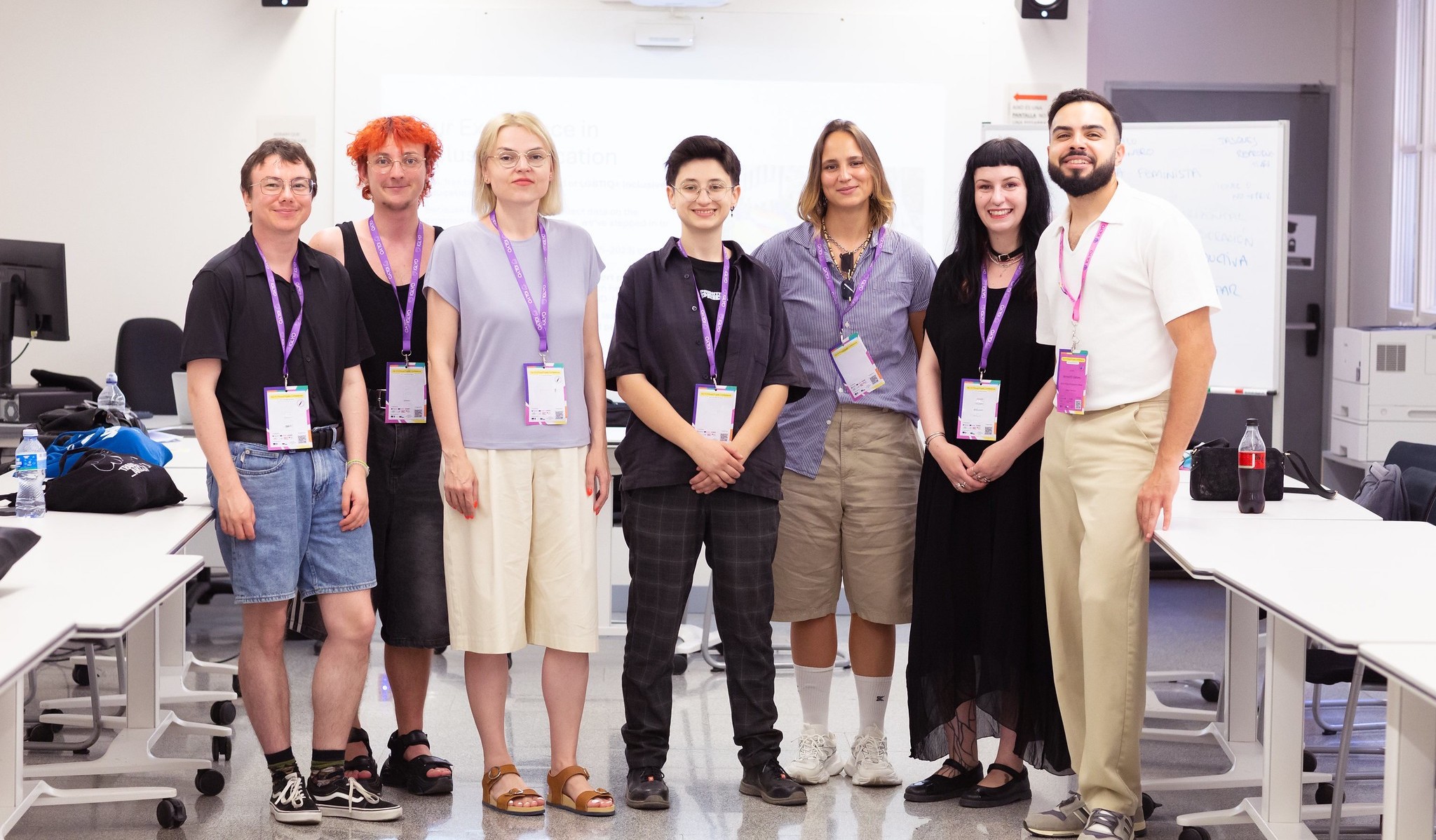
The projects below reflect the diversity of approaches taken by our Members; from generating new evidence and training teachers, to organising national conferences, producing educational resources, and building alliances with ministries and school administrations. Their work demonstrated how youth-led activism can meaningfully influence institutions and contribute to long-term social change.
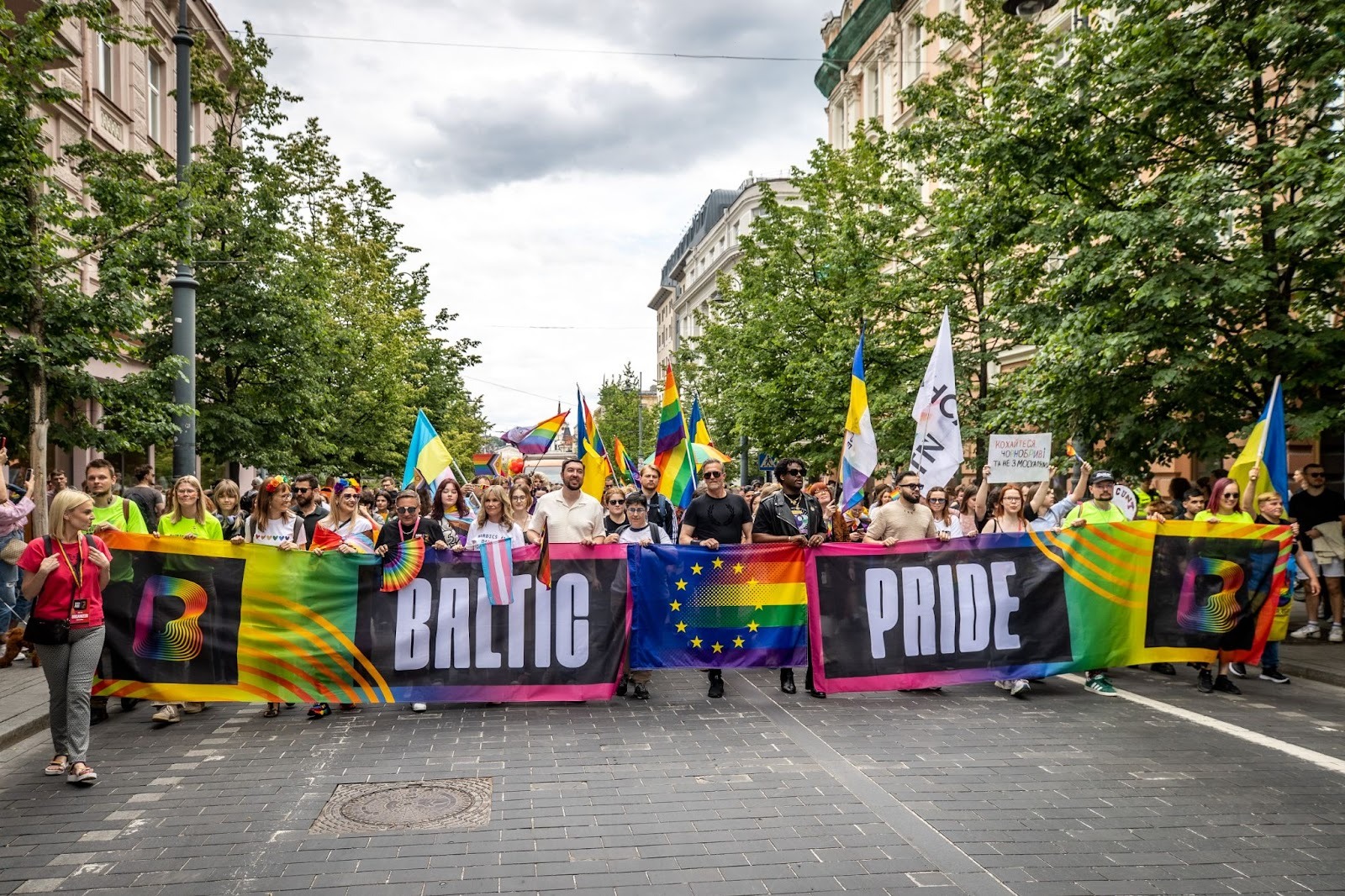
1. LGL & TYA (Lithuania): Advocating for Safer and More Inclusive Schools
LGL and TYA used the mentorship programme to address gaps in how LGBTQI inclusion is approached in Lithuanian schools, with a particular focus on strengthening national-level advocacy in the education sector.
The project centred around a series of advocacy activities during Baltic Pride 2025 in Vilnius, including stakeholder discussions and the development and promotion of a memorandum on LGBTQI-inclusive education. These processes brought together public authorities, educators, and civil society actors to discuss challenges in the education system and identify concrete steps towards more inclusive policies.
IGLYO’s support and mentorship contributed to strengthening the strategic direction of this work, particularly in shaping how key messages were framed and how different stakeholders were engaged. This included providing feedback on advocacy approaches and supporting the organisations in refining their positioning in a challenging national context.
IGLYO was also present during key moments of the project, including stakeholder discussions and public advocacy activities during Baltic Pride. This contributed to reinforcing the visibility and credibility of the initiative, particularly in interactions with national and local actors.
Through mentorship, peer exchange, and ongoing support, the programme helped LGL and TYA approach their work more strategically and with greater confidence, strengthening their role as advocates for inclusive education in Lithuania.
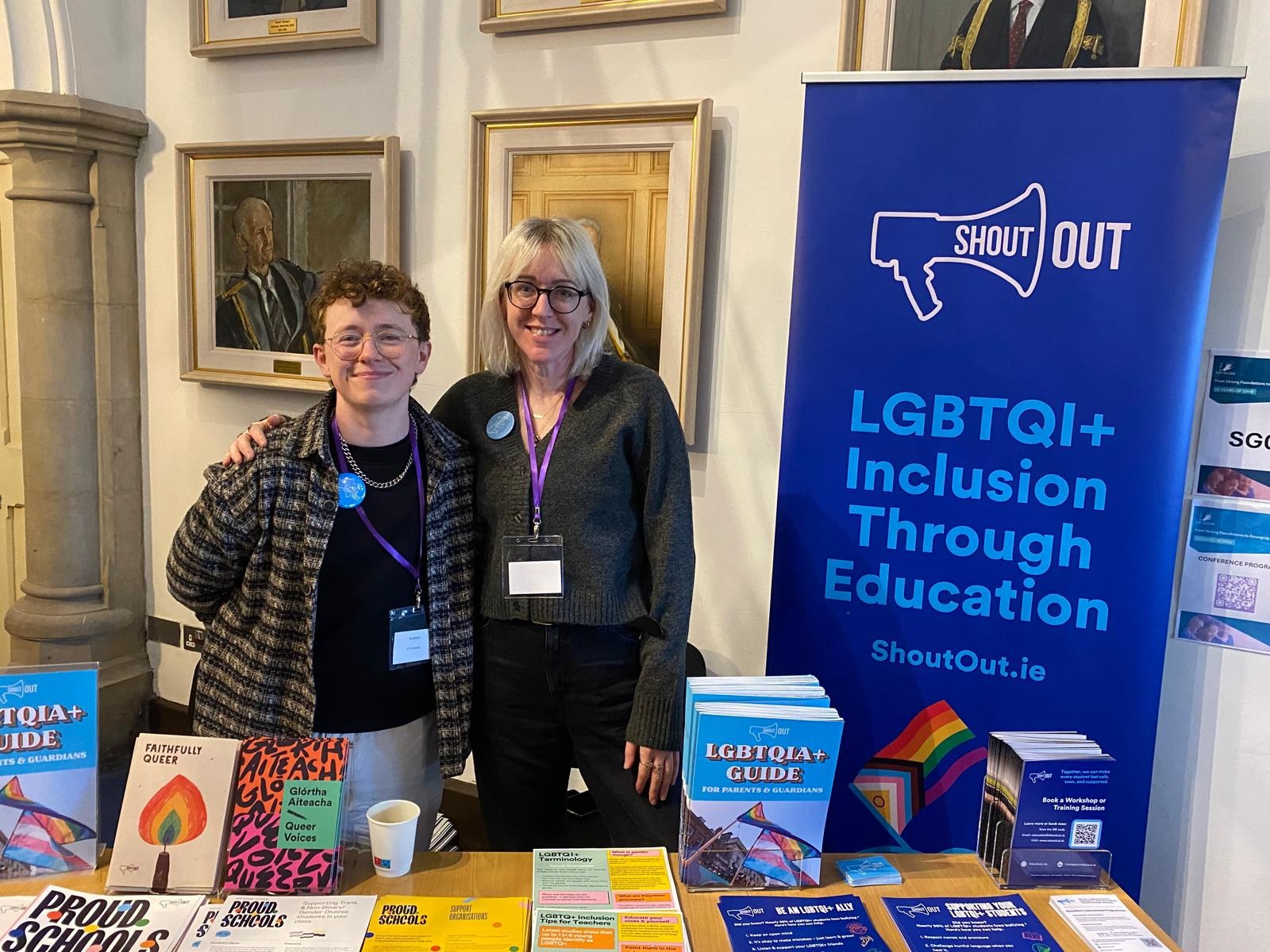
2. ShoutOut (Ireland): Inclusive Education Advocacy Programme
ShoutOut used the mentorship programme to respond to the increasing impact of misinformation around LGBTQI inclusion in Irish schools, with a focus on supporting educators and school communities facing growing pressure in this area.
The project involved developing a set of educational materials, including printed and digital resources aimed at addressing common misconceptions and supporting inclusive practices in schools. These were complemented by training sessions and engagement with teachers, parents, and education stakeholders, as well as initial work towards a broader resource hub.
IGLYO’s support and mentorship contributed directly to the development, review, and refinement of these materials, including support for writing, design, and dissemination. It also supported the testing of content with educators and LGBTQI young people, allowing ShoutOut to adjust its approach based on feedback from those using the materials in practice.
Through the mentorship, ShoutOut also strengthened its approach to addressing misinformation, including how to respond to challenging questions from schools and how to frame inclusive education in a more practical and accessible way. Exchanges within the IGLYO network further supported this process by providing insights from organisations working in similar contexts.
Overall, the support contributed to strengthening both the quality of the materials developed and the organisation’s capacity to respond to a rapidly evolving and often contested environment around LGBTQI inclusion in education in Ireland.

3. TransAkcija (Slovenia): TACT 2025 — Advancing Trans Rights Through Education
TransAkcija used the mentorship programme to strengthen its work on trans-inclusive education in Slovenia at a time of growing anti-gender backlash and stalled policy progress. The project focused on building a stronger advocacy base, gathering evidence on the situation of trans and gender-diverse students, and expanding educational and awareness-raising work with relevant actors.
A key part of the project was the creation of a trans rights advocacy working group, which helped strengthen internal activist capacity and supported cooperation with other organisations working on LGBTIQ rights in Slovenia. Through this process, TransAkcija contributed to wider advocacy discussions and developed a document setting out legislative and policy measures needed to improve the situation of LGBTIQ people, including trans youth.
The project also included two questionnaires: one aimed at university faculties and another at trans and gender-diverse students currently in education. Although responses from faculties were limited, the findings still pointed to important gaps, including inconsistent use of chosen names and pronouns, lack of gender-inclusive facilities, low visibility of LGBTIQ topics in educational settings, and cases where students reported feeling unsafe or missing classes because of the school environment.
Alongside this, TransAkcija delivered a range of trainings, seminars, and expert contributions for professionals and students in fields including healthcare, social work, psychotherapy, media, and asylum support. The organisation also ran a communications campaign on social media and produced a series of printed educational zines aimed at countering misinformation and making trans-related topics more understandable for different audiences.
IGLYO’s support and mentorship contributed to this work by helping TransAkcija strengthen its advocacy approach and by providing a supportive space for reflection throughout the project. In particular, the advocacy training offered through the programme helped the organisation revisit core advocacy tools and approaches, while the ongoing availability of support gave added confidence and stability during implementation.
The mentorship programme helped TransAkcija consolidate its role as a credible source of expertise on trans inclusion in Slovenia, while also supporting more informed advocacy, stronger educational outreach, and a clearer evidence base for future work on safer and more inclusive learning environments.

4. Društvo DIH (Slovenia): Together Against Bullying of LGBTQIA+ Children and Youth
Društvo DIH used the mentorship programme to address homophobic, biphobic, and transphobic bullying in schools by working directly with students, educators, and the wider public.
As part of the project, the organisation delivered a series of interactive workshops in high schools and a youth centre, focusing on recognising different forms of bullying, building empathy, and strengthening bystander intervention skills among young people. These sessions created space for discussion around identity, respect, and inclusion, and aimed to support safer school environments for LGBTQIA+ students.
Alongside this, DIH implemented a social media campaign targeting young people, educators, and the broader public. Through stories, infographics, and awareness-raising content, the campaign contributed to increasing visibility of LGBTQIA+ issues and challenging stigma around bullying in educational settings. The project also included the development of a short and practical handbook for teachers and pedagogical staff, providing accessible guidance on how to recognise and respond to LGBTQIA+-related bullying and how to create more inclusive classroom environments.
In parallel to these activities, DIH engaged in broader discussions on inclusive education through stakeholder exchanges and public events with national actors, contributing to ongoing dialogue on systemic challenges and policy needs in Slovenia.
IGLYO’s support and mentorship enabled the implementation of the school-based activities and awareness-raising work, while also supporting DIH in strengthening its approach to working with young people and educators. Through the programme, the organisation also benefited from peer exchange and access to practices from other countries, which informed its work.
Overall, the project contributed to improving awareness, skills, and confidence among both students and educators, while also feeding into wider discussions on how to address LGBTQIA+ related bullying more systematically in Slovenia.
5. Aleanca LGBT (Albania): EUSA-LGBTQI — Education for All
Aleanca LGBTI used the mentorship programme to better understand the experiences of LGBTQI young people in Albania in accessing and remaining in higher education, and to build a stronger evidence base for future advocacy in this area.
As part of the project, the organisation conducted an online survey and organised two focus groups with LGBTQI young people, including those currently in higher education, those who had discontinued their studies, and those who had never entered university. This approach made it possible to capture a broader picture of educational exclusion, including barriers that arise before reaching university.
The findings highlighted consistent challenges across different stages of education, including experiences of discrimination, lack of institutional support, and limited access to safe learning environments. Several participants also indicated that these factors directly influenced their ability to continue or pursue higher education. At the same time, the process itself provided a space for participants to share experiences that are rarely documented.
IGLYO’s support and mentorship enabled the design and implementation of these research activities. In particular, it supported the development of the survey and focus group methodology, as well as the overall structure of the research process. The mentorship also contributed to strengthening the organisation’s capacity to approach sensitive topics in a more structured and ethical way, and to translate community input into findings that can inform future advocacy.
Overall, the project resulted in concrete research outputs and contributed to a clearer understanding of the barriers faced by LGBTQI youth in education in Albania. It also strengthened Aleanca’s capacity to carry out similar work in the future and to use evidence more effectively in its engagement with institutions and stakeholders.
.jpg)
6. GenderDoc-M (Moldova): Parents, Schools, and Institutions Working Together
GenderDoc-M used the mentorship programme to address bullying, misinformation, and the absence of inclusive sexuality education in Moldova by working directly with parents of LGBTQI children and supporting their role in public and community-level discussions.
As part of the project, the organisation facilitated two in-depth sessions with a parent initiative group, bringing together around 30 participants. These sessions focused on strengthening parents’ understanding of inclusive education, supporting them in articulating their experiences, and building their confidence to engage with schools, communities, and public discussions on SOGI-related issues.
The project also resulted in the production of five storytelling videos featuring parents, sharing their personal experiences, challenges, and perspectives on inclusive education and school environments. These videos were developed through a structured process, including preparation, filming, and editing, and contributed to increasing visibility and public discussion around LGBTQI inclusion in Moldova.
IGLYO’s support and mentorship enabled the implementation of these activities and supported GenderDoc-M in working more directly with parents as advocates. While the mentorship component itself was more limited in practice, the programme provided a framework and resources that allowed the organisation to strengthen community engagement and develop new approaches to awareness-raising.
Overall, the project contributed to empowering parents as visible and active actors in advocacy for safer and more inclusive education, while also supporting broader conversations on the role of comprehensive sexuality education in preventing bullying and improving the wellbeing of LGBTQI youth.
Conclusion
The 2025 Mentorship Programme showcased the strength and determination of youth-led organisations working to make education inclusive for all LGBTQI young people. Despite operating in very different political and social landscapes, each group contributed something vital: evidence, visibility, community voice, or institutional engagement.
By documenting experiences, partnering with public authorities, creating educational tools, and amplifying youth perspectives, these six organisations have helped build a stronger, more resilient movement for LGBTQI-inclusive education across Europe.
IGLYO is proud to support this work and excited to continue strengthening the next generation of advocates.
Open Call for the IGLYO Mentorship Programme 2026
Over the last decade, IGLYO has been monitoring the development and implementation of LGBTQI-inclusive education policies and practices across the Council of Europe region and globally. Through this work, we have been able to identify best practices and assess the extent to which Council of Europe Member States are implementing measures to protect LGBTQI children and young people from discrimination and harassment in schools. Despite important progress, many learners still experience hostile environments, invisibility in curricula, discriminatory policies, and resistance from authorities.
IGLYO’s Education Mentorship Programme builds on this evidence and supports Member Organisations and their national partners to design and implement national-level projects that improve LGBTQI inclusion in and through education, while building a strong network of youth activists learning from and supporting each other.
This programme runs from February to December 2026 and focuses on peer-to-peer learning, cross-border exchange, and tailored mentorship. It is designed to give you the space, support, and resources to shape an initiative that creates real impact in your national context. Member Organisations can apply individually or in a consortium of organisations within the same country, in which case only the lead needs to be an IGLYO Member. We offer up to €4,000 to assist each of the selected Member Organisations or consortia in designing and implementing their proposed action plan.
Interested? Read our full call and send us your application through our form by 21 January 2026 at 23:59 CEST (extended deadline)!
🟣 Objectives of the programme
Through IGLYO’s Education Mentorship Programme, we aim to support selected Member Organisations to design and implement advocacy projects that respond to their national, regional, or local realities. Participating organisations will lead on developing and carrying out their own action plan, while requesting the mentoring, tools, and strategic support they need from us.
The overarching objective is to drive real, positive change in education systems and schools through strategic policy, advocacy, and research actions that improve the safety and inclusion of LGBTQI children and young people.
More specifically, the programme seeks to:
- Support youth-led organisations to implement context-specific advocacy, policy, and research initiatives on LGBTQI-inclusive education.
- Equip young activists with skills, confidence, and networks to influence education debates and counter anti-rights narratives.
- Strengthen the capacity of Member Organisations to engage with public authorities.
- Promote sustainable approaches to preventing and responding to bullying, harassment, and violence based on sexual orientation, gender identity, gender expression, and sex characteristics (SOGIESC).
🟣 Areas of focus
IGLYO’s Education Mentorship Programme supports projects that drive systemic change in and through education. We are especially interested in initiatives that use advocacy, policy work, or research to address school bullying, harassment, and violence against LGBTQI children and young people.
Possible areas of focus include (but are not limited to):
1. School policies and whole-school approaches
- Developing, revising, or implementing LGBTQI-inclusive anti-bullying and anti-discrimination policies
- Supporting whole-school or whole-institution approaches to preventing bullying and violence
- Drafting or promoting inclusive guidelines, protocols, or codes of conduct for schools and other educational settings
2. Curriculum and learning materials
- Advocating for LGBTQI-inclusive curricula at local, regional, or national level
- Piloting and evaluating new materials or workshops that can be scaled up or integrated into official curricula
3. Advocacy with duty-bearers and institutions
- Building alliances with school administrations, school boards, ministries, teacher-training institutes, and other public bodies
- Organising youth-led awareness and advocacy initiatives targeting decision-makers in education
- Engaging in advocacy for legislative or policy change to protect LGBTQI learners and address school-based violence
4. Capacity-building for professionals in education and youth services
- Advocating for and delivering institutional training on LGBTQI inclusion for teachers, school staff, and management
- Working with psychologists, social workers, counsellors, and youth services to improve institutional responses to bullying, harassment, and violence
- Promoting mandatory or standardised training modules through cooperation with public education or training institutes
5. Research and evidence-building
- Conducting research, mapping, or needs assessments on LGBTQI children and young people’s experiences in education
- Documenting gaps in protection, policy implementation, or reporting mechanisms
- Using data and evidence to inform advocacy strategies, counter misinformation, and influence public debate
6. Countering anti-rights narratives in and through education
- Challenging anti-rights, anti-gender, and anti-LGBTQI narratives that impact education policy or practice
- Developing rights-based counter-messaging and educational tools for institutions, professionals, and communities
- Supporting alliances that defend inclusive education in public discourse and policy spaces.
Projects should clearly demonstrate at least one element of how they will engage with public authorities or institutions (such as ministries, school administrations, teacher bodies, or equality institutions), except in contexts where this is not safely or realistically possible. The project only needs to have one element of cooperation with public authorities: this element does not need to be the core priority or scope of the project.
The element of cooperation with public authorities can be direct cooperation, consultation, advocacy, or awareness-raising aimed at public institutions (for example, roundtables, conferences or seminars, workshops, or meetings with public officers). Relevant public authorities are: Ministries of Education, Youth, Equality, Health, Social Affairs, or any other; Regional authorities; Local councils or municipalities; Ombudspersons or equality bodies; National youth councils; Public education institutes or training centres; School boards or school administrations; Teachers’ unions; any other public authority relevant to the scope of the project.
In highly hostile environments, proposals may instead focus on research, evidence-building, or other indirect forms of impact, with a clear explanation of the barriers to direct institutional engagement.
🟣 Benefits of the programme for Member Organisations
Each selected organisation or consortium receives:
Assessment and tailored mentorship (Feb–Dec 2026)
IGLYO will provide a comprehensive analysis of the country’s inclusive education landscape, helping the Member Organisation identify its needs and priorities while highlighting areas that need improvement. Good practice examples will be shared to guide this process. You will also receive direct support throughout the year from IGLYO, including guidance on project design, implementation, challenges, and reporting.
Peer-to-Peer Learning
This is the heart of the programme. As part of a small cohort of mentees, you will:
- Connect regularly with other organisations working on inclusive education in different national or local contexts.
- Exchange practices and tools, such as advocacy strategies, research methods, training materials, and approaches to working with public authorities.
- Jointly discuss challenges and ways to approach them, finding possible solutions to difficult situations (e.g. backlash, political resistance, limited access to institutions).
- Build a cross-border community of practice, strengthening solidarity and visibility for youth-led work on LGBTQI-inclusive education across Europe.
Optional Capacity Workshops
Based on the needs expressed by the selected mentees, IGLYO will organise thematic training sessions, such as:
- Theory of Change
- Project planning and impact design
- Communications and visibility
- Working with public authorities
- Financial and administrative management
These workshops will be shaped together with all mentees to respond to real needs and will be open spaces to ask questions, share tools, and build concrete skills you can directly apply in your project.
Financial Support
This project will be funded with up to €4,000 to assist the Member Organisation in designing and implementing the different action plans. The final amount will be agreed upon with IGLYO, depending on the type of work needed in each national context. IGLYO will hold meetings with the selected Member Organisations to liaise with funders.
Optional country visit
If helpful, IGLYO’s policy and network teams will visit the country to work closely with the Member Organisation. This includes developing a collaborative action plan, supporting implemented events or workshops, establishing connections with government representatives, and building partnerships with other local civil society organisations.
All Member Organisations working in this programme will also be invited to an in-person meeting in Brussels in July 2026.
🟣 Key Dates
- By 21 January 2026 (Extended deadline): Open call
- 21 January 2026: Extended deadline for applications
- 30 January 2026: Final selection announced
- 12 February 2026: Online Welcome Meeting (collective strategising workshop)
- February–December 2026: Implementation + mentorship + optional workshops
- 15–16 July 2026: In-person Brussels meeting (attendance required)
- 26 November 2026: Final online debriefing meeting
- December 2026: Final reporting and programme closure
🟣 Eligibility
- Only IGLYO Member Organisations may apply (see full list here)
- You may apply individually or as a national consortium of Member Organisations . If you apply as a consortium, only the lead needs to be an IGLYO Member
- You must commit to joining all mandatory online meetings and the Brussels gathering in July
- Organisations who participated in 2025 are not eligible
We encourage applications from organisations based in countries where LGBTQI inclusive education measures are currently not present, underfunded, not enforced, or at risk from hostile governments. We also encourage applications from youth-led, volunteer-run and small organisations.
🟣 Selection Criteria
We will assess applications based on:
- Quality and clarity of the proposed project
- Potential impact on LGBTQI-inclusive education in your context
- Feasibility within your organisation’s capacity
- Meaningful engagement with public authorities as one element of the project (unless an exception is justified)
- Willingness to engage in peer learning and cross-border exchange
- Intersectional perspective of the project
🟣 Previous Year
Have a look at the 6 mentees projects from 2025 to have more insights into the mentorship programme and example of successful projects implemented by Members.
🟣 How to apply?
To apply, please complete this online application form by 21 January 2026 at 23:59 CET (Extended Deadline). Note that you will need to submit this project proposal template in the form.
🟣 Questions?
If you have any questions regarding the application process or the programme, you can contact our Policy and Research Officer Ahmed El-Salawy (he/him) at ahmed@iglyo.org. We look forward to receiving your applications!
With the support of
.png)
The IGLYO LGBTQI Inclusive Education Mentorship Programme is funded by the Citizens, Equality, Rights and Values (CERV) 2021-2027 Programme of the European Union, and the European Youth Foundation of the Council of Europe. However, the views expressed in the projects can in no way be taken to reflect those of the European Commission or the Council of Europe.
